


The Fallout from the Republicans’ Election Defeat | Can Democrats Stop the War with Iran?
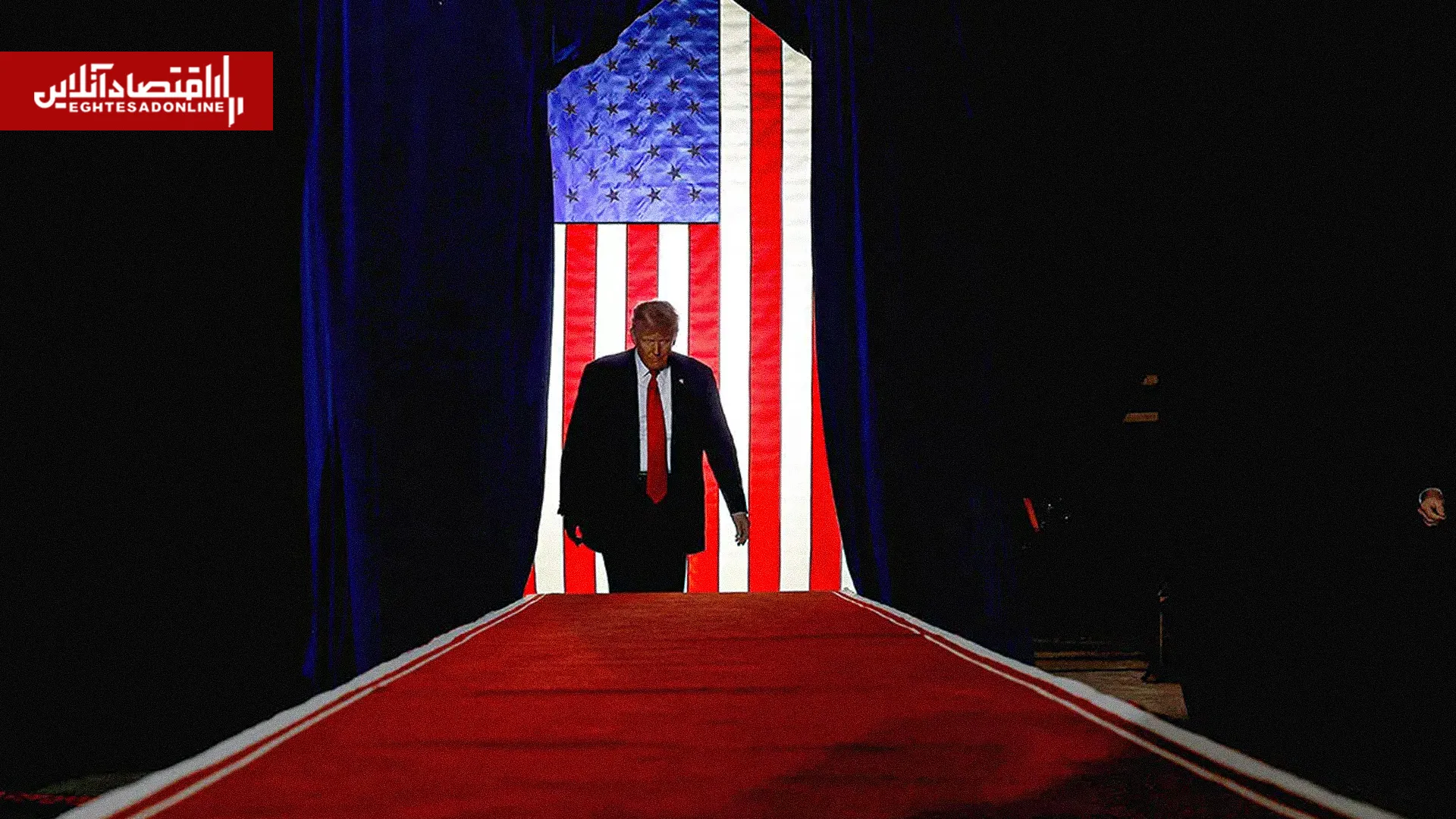
The war with Iran, which has become one of the biggest foreign policy challenges facing Donald Trump’s administration in recent months, is now having visible political consequences at home.
The US midterm elections have taken place, with the war against Iran emerging as one of the factors shaping the outcome. Following the Republicans’ defeat, attention has shifted to the White House and the decisions Trump will make about the future of the conflict. As usual, the president has sent mixed signals, suggesting at times that military action remains an option while expressing optimism about the prospects for negotiations at other moments.
Before the election results were known, Trump adopted a cautious stance on the possibility of renewed military strikes against Iran in a telephone interview with the Financial Times. He claimed that the United States appeared to have achieved what it wanted for now. Although Washington remained prepared to take military action, he suggested there might no longer be a reason to launch another attack.
However, Trump's remarks after the congressional election results became clear suggested that the Iran war had been a significant factor in the Republican Party's poor performance. In a telephone interview with Fox News, Trump acknowledged that the conflict had played a role in the Republicans' midterm losses.
"People agree with what I'm doing on Iran, but they probably weren't willing to put up with the short-term consequences of paying more for gasoline. I understand that, although I disagree with it," he said.
Trump went on to address the consequences of the war, saying: "We have to do something big." He also rejected the idea that the election results represented a personal defeat, arguing that he had not been a candidate in the election.
These remarks came as Democrats secured majorities in both the House of Representatives and the Senate, a development that could make it significantly harder for the Trump administration to advance its legislative agenda during the remainder of his presidency.
Divisions Within the White House
There is no consensus within Trump's cabinet over the future of the war with Iran.
US Vice President JD Vance has expressed optimism about the possibility of reaching an agreement with Tehran, saying that both he and Trump feel positive about the prospects for a deal. Vance acknowledged that negotiations had made progress but said Washington had not set a specific deadline for resuming military operations. According to him, any agreement would have to include a firm and verifiable commitment from Iran not to rebuild its nuclear programme.
According to Axios, Trump's special envoy, Steve Witkoff, also supports a diplomatic approach and believes that resuming the war would not necessarily improve the situation.
By contrast, US Secretary of War Pete Hegseth and Israeli Prime Minister Benjamin Netanyahu favour a return to military operations. They argue that Iran's commitments cannot be trusted and that military action is necessary to bring the confrontation to a conclusion.
Meanwhile, Secretary of State Marco Rubio, Treasury Secretary Scott Bessent and CIA Director John Ratcliffe support maintaining economic pressure without immediately returning to war or reaching an agreement.
Democrats: The War with Iran Must End
On the Democratic side, California Congressman Ro Khanna has emerged as one of the strongest critics of the war with Iran.
In a post on X, Khanna described the conflict as "Trump's greatest betrayal" and called on Democrats to bring the war to an end.
Speaking to Fox News, Khanna argued that ending the war could help reduce energy and food costs for American households. He urged Democrats to use their control of Congress to block further funding for military operations against Iran.
Drawing a comparison with the Vietnam War, the Democratic congressman argued that Congress could use its control over federal spending to prevent the continuation of military operations.
Chuck Schumer, the Senate Democratic leader, also said after the election results were announced that voters wanted change and that Democrats had a responsibility to respond to their expectations.
With majorities in both chambers of Congress, Democrats now have greater leverage to scrutinise the administration's foreign policy and challenge its decisions.
Republicans Also Criticise the Cost of the War
Criticism of the Iran war has not been limited to Democrats. Several prominent Republicans have also warned about its economic and political consequences.
Florida Governor Ron DeSantis, a Republican, described the war with Iran as damaging to his party in an interview. Referring to rising gasoline prices, he said:
"We have to be honest with ourselves. Gas prices have gone up, and that hurts people, particularly working-class Americans. Fuel prices have increased because of this conflict, and that is a fact."
DeSantis also recalled that Trump had promised during his 2024 election campaign to keep the United States out of new wars and reduce the cost of living.
He warned that if the war continued until the end of Trump's presidency, it would severely undermine the administration's ability to pursue its domestic agenda.
Other Republicans had also previously called for a swift end to the conflict. Among them were Mike Rogers, the Republican Senate candidate in Michigan; Ashley Hinson, the Republican Senate candidate in Iowa; and Ohio Republican Senator Jon Husted. All had raised concerns about the impact of rising fuel costs on American households.
What Happens to the Iran War After the US Elections?
The midterm election results and recent statements by US officials reveal two competing realities shaping the future of the confrontation between Tehran and Washington.
On the one hand, the rising cost of the war and the economic pressure on American households have made continued military operations an increasingly expensive political proposition for the Trump administration. On the other hand, disagreements over Iran's nuclear programme and Washington's conditions for an agreement remain unresolved.
Against this backdrop, Trump has maintained America's military readiness and spoken of the need to take major action, while simultaneously referring to progress in negotiations and the possibility of reaching an agreement.
In these circumstances, the Democrats' victory in both chambers of Congress could impose additional political and legal constraints on the Trump administration. However, Trump still has until January, when the newly elected members of Congress take office, to make decisions about the future of the war with Iran alongside the current Congress.
For this reason, some analysts consider a resumption of military strikes before that transition increasingly plausible.
Others have suggested that, given Trump's psychological profile, anger over the electoral defeat could push him towards a sudden and emotionally driven decision.
Nevertheless, it remains unclear to what extent this shift in the balance of power will affect the US president's decisions on maintaining economic pressure, reaching an agreement with Tehran or resuming military attacks.
What is clear, however, is that from January onwards, particularly on military and federal budget matters, Trump will have less room for manoeuvre than he does today.